The Scarlet Season: Nathaniel Hawthorne and the Autumnal Soul
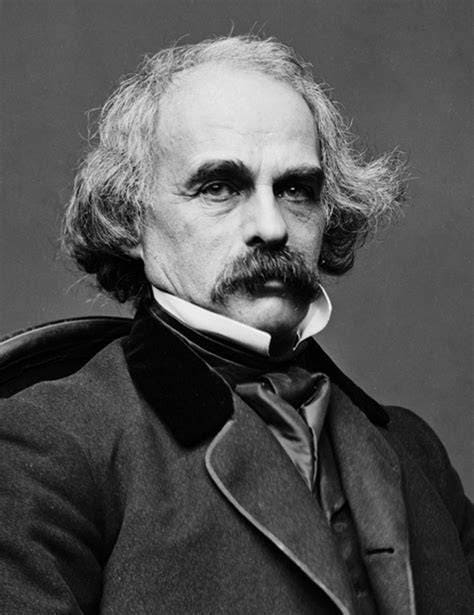
Nathaniel Hawthorne, a master of American Romanticism, wasn’t just about Puritan guilt and dark forests. While his stories grapple with complex moral dilemmas and the weight of history, a subtler, yet equally powerful element often weaves its way through his narratives: the season of autumn.
Hawthorne’s use of autumnal imagery and themes transcends mere setting; it becomes a profound reflection of his characters’ internal landscapes, their struggles with sin, redemption, and the inevitable passage of time.
The Dying Light and Fading Hopes:
Autumn, with its decaying leaves and shortening days, naturally evokes a sense of mortality and decline. Hawthorne keenly utilizes this association. Think of The Scarlet Letter . While the novel spans several years, the most poignant and transformative moments often occur during the fall. The scaffold scenes, pivotal in Hester Prynne’s journey, are framed by descriptions of the changing seasons, subtly mirroring her evolving societal position and internal state.
The vibrancy of summer has faded, replaced by a stark awareness of Hester’s transgression and its lasting consequences. The “dying light” of the autumnal sun reflects the fading hopes for a conventional life, forcing her to confront her past and forge a new identity.
Beyond the Visual: The Auditory and Olfactory Autumn:
Hawthorne wasn’t simply content with painting visual pictures of fall. He engages all the senses. Consider the rustling of fallen leaves underfoot – a sound that pervades many of his stories. This sound becomes a constant reminder of the past, a whispering echo of secrets and regrets.
The scent of decaying vegetation, often mentioned in his descriptions of the forest, adds another layer of sensory experience, emphasizing the theme of transience and the inescapable grip of time. Even the chill in the air, a signature feature of autumn, serves to heighten the emotional intensity of his scenes, creating a palpable sense of isolation and vulnerability.
Allegory and Symbolism in the Fall Landscape:
For Hawthorne, the autumn landscape is rarely just a backdrop; it’s rich with allegory and symbolism.
The Forest: While the forest appears in his writing across all seasons, it has a particular resonance in the fall. The withering foliage can symbolize the decay of moral integrity, the hidden sins lurking beneath the surface of Puritan society. Yet, the forest also offers a space for reflection and transformation, a place where characters can confront their inner demons and potentially find redemption.
The Harvest: While a symbol of abundance, Hawthorne often subverts the traditional associations of the harvest. Instead of representing prosperity, it can be linked to the consequences of past actions – a reaping of what has been sown, both good and bad.
Falling Leaves: The most obvious symbol, of course. Falling leaves represent the ephemeral nature of beauty, youth, and life itself. They serve as a constant reminder of the passage of time and the inevitability of change.
Examples in Hawthorne’s Works:
“The Minister’s Black Veil”: The story takes place in a Puritan community, and while the exact timing isn’t always explicitly stated, the somber tone and themes of hidden sin align perfectly with the melancholic feel of autumn. The veil itself, a symbol of hidden secrets, seems to shroud the minister like a permanent autumnal mist.
“Young Goodman Brown”: The journey into the dark forest, a landscape ripe with autumnal undertones, represents the protagonist’s descent into moral corruption. The fading light and the rustling leaves mirror his growing disillusionment with his community and his loss of innocence.
Why Autumn Matters to Hawthorne:
Hawthorne’s affinity for autumn goes beyond aesthetic preference. The season provides him with a powerful metaphor for exploring the complexities of the human condition. Autumn’s inherent duality – its beauty intertwined with its decay – perfectly reflects the contradictions and moral ambiguities that permeate his narratives. It allows him to delve into themes of sin, redemption, loss, and the enduring struggle between good and evil with a profound sense of melancholy and introspection.
So, the next time you pick up a Nathaniel Hawthorne novel, pay close attention to the descriptions of the season. You’ll find that autumn is not just a backdrop but an integral part of the story, a silent witness to the unfolding drama of the human soul. It’s a scarlet season, etched in the very heart of his timeless tales.