Stoicism: Ancient Wisdom for Modern Chaos
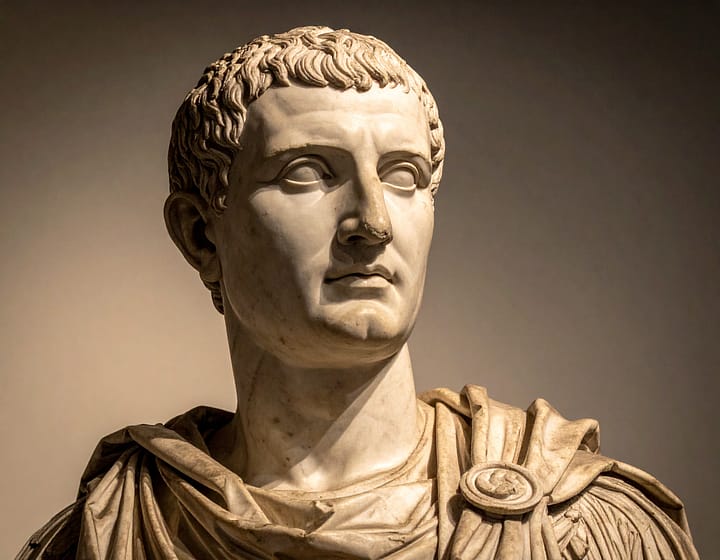
Over 2,000 years ago, a philosophy emerged that’s more relevant than ever. Stoicism teaches one core principle: focus on what you can control, accept what you cannot.
What makes Stoicism remarkable? Three of its greatest teachers came from completely different worlds:
1. Seneca – One of the richest men in Rome, advisor to Emperor Nero, renowned playwright. Despite his wealth and power, he was exiled and eventually forced to commit suicide.
2. Epictetus – Born a slave in what’s now Turkey. Gained his freedom, became a philosopher, and was later expelled from Rome. His student recorded his teachings in the famous “Enchiridion.”
3. Marcus Aurelius – Emperor of Rome from 161-180 CE, one of the most powerful positions in the ancient world. Kept a private journal of Stoic reminders to himself, never meant for publication, now known as “Meditations.”
An emperor and a slave. Extreme wealth and bondage. All three found the same philosophy invaluable.
The Stoic insight: We control our thoughts, judgments, and actions. We don’t control other people, events, or outcomes. Suffering comes from confusing the two. Peace comes from accepting this distinction.
Whether you’re dealing with success or failure, health or illness, praise or criticism, Stoic principles apply. That’s why this 2,000-year-old philosophy is experiencing a massive revival today.
As Epictetus taught: “endure and renounce.” Endure what comes your way. Renounce trying to control what you cannot. Over 2,000 years ago, a philosophy emerged that’s more relevant than ever. Stoicism teaches one core principle: focus on what you can control, accept what you cannot.
What makes Stoicism remarkable? Three of its greatest teachers came from completely different worlds:
Seneca – One of the richest men in Rome, advisor to Emperor Nero, renowned playwright. Despite his wealth and power, he was exiled and eventually forced to commit suicide.
Epictetus – Born a slave in what’s now Turkey. Gained his freedom, became a philosopher, and was later expelled from Rome. His student recorded his teachings in the famous “Enchiridion.”
Marcus Aurelius – Emperor of Rome from 161-180 CE, one of the most powerful positions in the ancient world. Kept a private journal of Stoic reminders to himself, never meant for publication, now known as “Meditations.”
An emperor and a slave. Extreme wealth and bondage. All three found the same philosophy invaluable.
The Stoic insight: We control our thoughts, judgments, and actions. We don’t control other people, events, or outcomes. Suffering comes from confusing the two. Peace comes from accepting this distinction.
Whether you’re dealing with success or failure, health or illness, praise or criticism, Stoic principles apply. That’s why this 2,000-year-old philosophy is experiencing a massive revival today.
As Epictetus taught: “endure and renounce.” Endure what comes your way. Renounce trying to control what you cannot.