A Journey into the Mind: What is Carl Jung’s The Red Book?
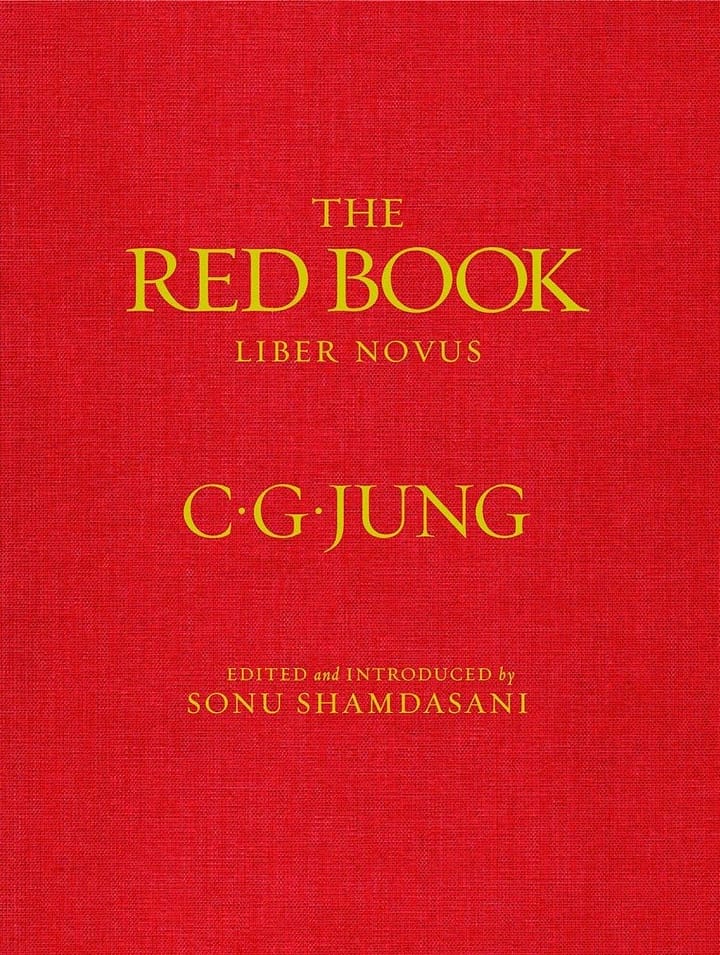
Have you ever wondered what it would be like to dive deep into the uncharted territory of your own mind? Swiss psychiatrist Carl Jung, a foundational figure in modern psychology, did just that, and the result is the legendary and mysterious Red Book. Created between 1914 and 1930, The Red Book, or Liber Novus (The New Book), is not a typical book. It’s a deeply personal and visually stunning record of what Jung called his “confrontation with the unconscious.”
For over 16 years, following a break with his mentor Sigmund Freud, Jung embarked on a profound journey inward. He documented his intense dreams, waking fantasies, and frightening visions in a large, red leather-bound volume, complete with his own intricate calligraphy and breathtaking paintings.
A Secret Until 2009
For decades, this masterpiece was hidden away, seen only by a handful of Jung’s family and closest friends. Fearing it would damage his scientific reputation, Jung never published it in his lifetime. It wasn’t until 2009 that a facsimile edition was made available to the public, finally unveiling the “most influential unpublished work in the history of psychology.”
What’s Inside the Red Book?
At its core, The Red Book is the origin story for many of Jung’s most famous theories. It’s where he first developed his ideas of:
– Archetypes: Universal, inherited patterns of thought and imagery, like the Hero, the Mother, and the Shadow, that are present in the collective unconscious of all humans.
– The Collective Unconscious: A shared, inherited layer of the unconscious mind that contains the accumulated experiences of all humanity.
– Individuation: The lifelong psychological process of integrating the conscious and unconscious aspects of oneself to become a whole, unique individual.
The book reads like a blend of myth, dream journal, and philosophical quest. Jung engages in dialogues with figures from his own psyche, such as the wise old man Philemon and the feminine soul-figure Salome, to understand the depths of his own mind.
Why is it so Significant?
The Red Book is more than just a personal diary; it’s a testament to the power of the human imagination and a guide to understanding the soul. Jung believed that his journey was a necessary one, a way to find meaning in a world that felt spiritually empty. He saw his “confrontation with the unconscious” as the “numinous beginning” from which all his later work was derived.
The book’s intricate art, reminiscent of medieval illuminated manuscripts, is as important as the text itself, providing a visual map of Jung’s inner world. The Red Book is a challenging but rewarding read that offers a unique window into the mind of one of the 20th century’s most influential thinkers. It’s a call to explore our own inner landscapes and to find the courage to confront the depths of our own souls.