The World’s First Hero: The Epic of Gilgamesh
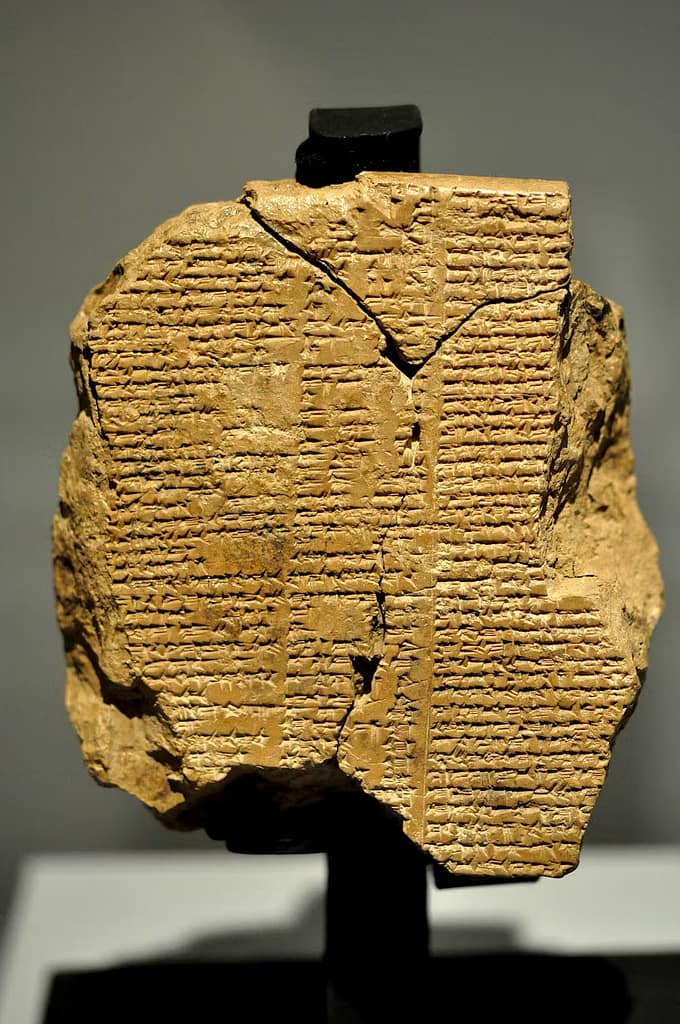
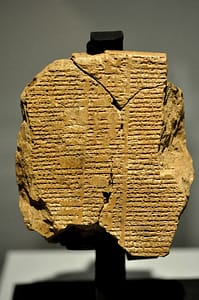
Long before the tales of Greek heroes or Viking sagas, there was Gilgamesh. Written on clay tablets over 4,000 years ago in ancient Mesopotamia, this is not just a story, it’s one of the first and greatest works of literature in human history.
At its heart, it’s a story about a king who learns what it means to be human.
The Tyrant King and the Wild Man
Meet Gilgamesh: king of the great city of Uruk, two-thirds god and one-third man. He’s powerful, handsome, and at the start of our story, an unbearable tyrant who oppresses his people.
Frustrated, the gods create a wild man, Enkidu, to be his equal and challenge him. When they finally meet, they engage in a ferocious wrestling match. But from this violent clash, an unexpected and powerful bond is forged. They become the best of friends, brothers in arms. This marks the beginning of the “buddy story” genre!
Adventure, Loss, and the Fear of Death
Together, Gilgamesh and Enkidu embark on a great adventure to slay the monstrous guardian of the Cedar Forest, Humbaba. But their hubris angers the gods, who decree that one of them must die. Tragically, Enkidu falls ill and perishes.
Gilgamesh is utterly devastated. He is confronted for the first time with the raw, inconsolable grief of losing someone he loves. But his sorrow quickly turns into a new, paralyzing emotion: a terrifying fear of his own mortality. If Enkidu could die, so could he.
The Desperate Quest for Immortality
Obsessed with cheating death, Gilgamesh embarks on a desperate journey to the ends of the earth to find the secret to eternal life. His quest leads him to Utnapishtim, a mysterious old man who, like Noah, survived a Great Flood that wiped out humanity.
(Sound familiar? This story of a great flood and a lone survivor predates the account in the Old Testament by centuries!)
Utnapishtim challenges Gilgamesh to stay awake for seven nights, a test he immediately fails, proving mortals are not built for eternity. Though he fails, he is told of a magical plant at the bottom of the sea that can restore youth. Gilgamesh finds it, but in a moment of carelessness, a snake steals the plant and sheds its skin, becoming young again.
Defeated, Gilgamesh returns to his city, Uruk. As he looks upon the massive, magnificent walls that he built, he has a profound realization. A man cannot live forever. But his legacy, his deeds, the city he built, and the story he leaves behind, can.
The Epic of Gilgamesh is a timeless story about the beautiful and tragic realities of life: the joy of friendship, the pain of loss, and the ultimate acceptance of our mortality. It teaches us that immortality isn’t about living forever, but about living a life worth remembering.