Epicurus: The Philosopher of Simple Pleasures
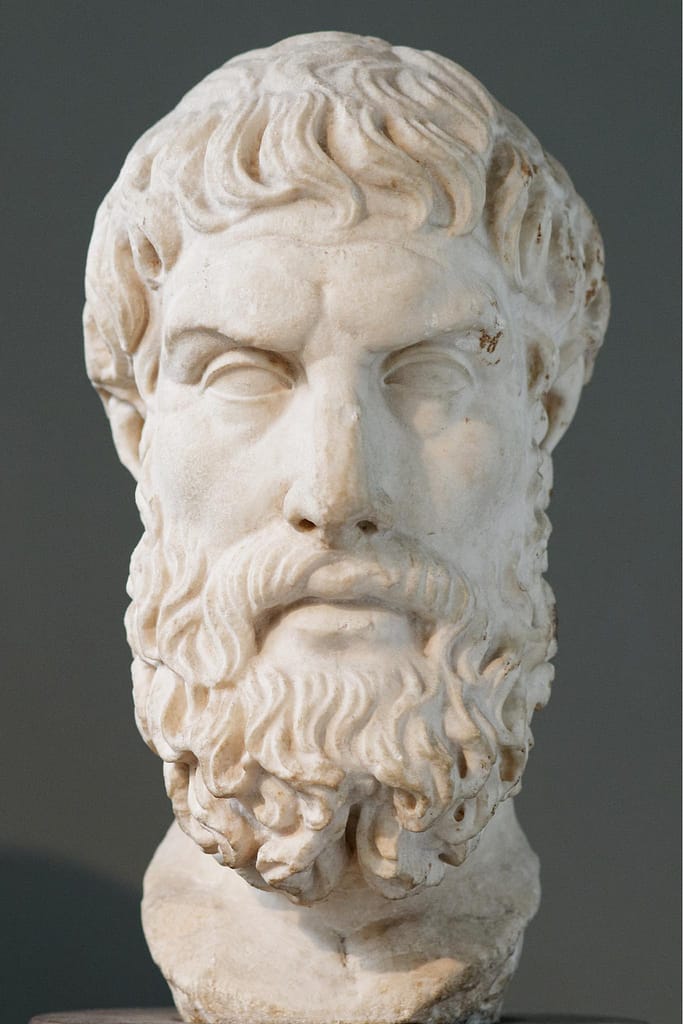
When people hear the name Epicurus, they often think of indulgence—fine food, luxury, and endless pleasure. Yet, the truth about Epicurus and his philosophy couldn’t be more different. Born in 341 BCE on the Greek island of Samos, Epicurus taught a way of life centered on simplicity, friendship, and peace of mind—a philosophy that still feels surprisingly modern.
At the heart of Epicurus’s thought was the pursuit of ataraxia, a Greek term meaning freedom from disturbance or mental pain. He believed true happiness didn’t come from excess or wealth, but from reducing unnecessary desires. Food, shelter, and companionship were enough to live a content life. He famously said, “If you wish to be rich, do not add to your money, but subtract from your desire.”
Epicurus founded a small community in Athens known as The Garden, where men and women, free citizens and slaves, all lived and studied together—a radical idea for the time. Life there was quiet and modest, centered on philosophical discussions and friendship. Epicurus viewed friendship as one of life’s greatest sources of happiness, believing that meaningful connections were essential to human well-being.
He also sought to free people from fear—especially the fear of gods and death. According to Epicurus, the gods, if they exist, are unconcerned with human affairs, and death should not be feared because when we die, we simply cease to exist. His calm, rational view of mortality offered a deep comfort to those who sought peace of mind in a world filled with superstition and uncertainty.
Though many later thinkers misrepresented Epicureanism as hedonistic or self-indulgent, Epicurus’s message was really one of balance and serenity—to enjoy life’s simple pleasures without letting desire or fear rule over us.
Over two thousand years later, his wisdom still speaks to a world overwhelmed by consumption and anxiety. In a culture that often tells us “more is better,” Epicurus reminds us that true happiness lies in needing less.