Why the Alien Movies Still Hit Hard After All These Years
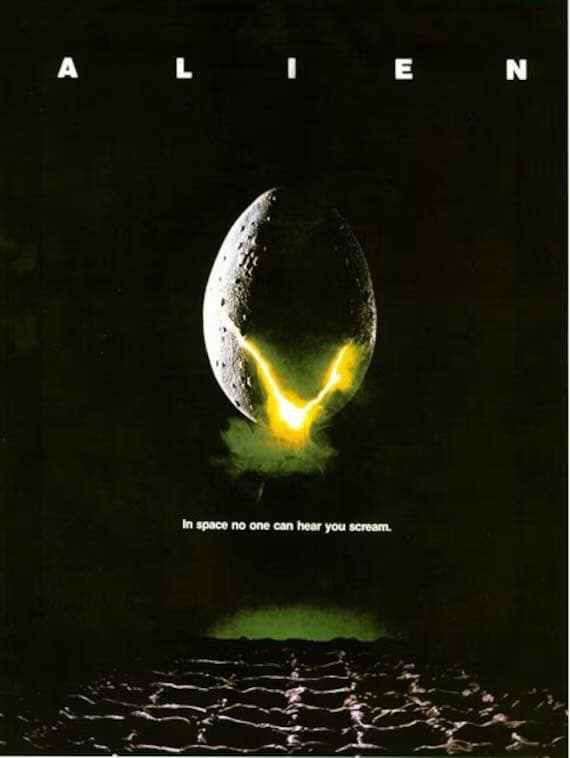
Few movie franchises have burned themselves into pop culture the way Alien has. It’s more than just sci-fi or horror — it’s a raw collision of fear, isolation, and survival that still hits nerve endings decades later.
1. The Original Nightmare in Space
When Ridley Scott dropped Alien in 1979, audiences didn’t know what hit them. The setup was simple: a small crew on a deep-space mining ship picks up a distress signal and ends up bringing something back — something that doesn’t belong anywhere near humans.
The brilliance wasn’t just the monster. It was the silence. The slow build. The feeling that space wasn’t a place for adventure — it was a cold, corporate death trap. And then, of course, the chestburster scene changed horror forever.
2. Aliens Turned It Up to Eleven
James Cameron came in for the 1986 sequel and did what few directors can: he didn’t copy the original; he reinvented it. Aliens traded suspense for intensity. It was loud, fast, and militarized — a war movie wrapped in acid blood and claustrophobic corridors.
Ellen Ripley became a full-blown action hero, not just a survivor. The movie had heart, firepower, and enough quotable lines to fuel a generation of fans.
3. The Franchise Evolves (and Sometimes Misfires)
From Alien 3’s bleak prison setting to Resurrection’s bio-engineered weirdness, the later films took risks — not all of them popular, but always ambitious. Then Ridley Scott circled back with Prometheus and Alien: Covenant, diving into the big questions: Why were humans created? Who made the xenomorphs?
The results split fans, but they gave the series philosophical weight. The terror wasn’t just physical anymore — it was existential.
4. Why It Endures
At its core, Alien has never been about just monsters. It’s about survival when every system — corporate, technological, biological — is stacked against you. It’s about isolation and human greed, and how easily the line between creator and destroyer can blur.
The xenomorph isn’t just a creature. It’s evolution at its most brutal — the perfect organism. And that’s what keeps it relevant: every generation finds new fears in it.
5. The Legacy
From The Thing to The Expanse to Dead Space, the DNA of Alien runs through every dark sci-fi story that came after. It redefined what it means to be afraid of the unknown — not just the monster outside the airlock, but the one inside the human heart.
Bottom line: Alien isn’t just a movie series. It’s a mood — a mix of dread, grit, and awe that refuses to die. Whether you’re watching Ripley torch a nest of eggs or pondering the Engineers’ secrets, the feeling is the same: you’re small, the universe is huge, and something out there has teeth.
See the original trailer here: https://youtu.be/LjLamj-b0I8?si=ldrF6i2l8huW7Z3h